VOICE OF THE PRIVATE SECTOR – New Chapter for Fiji’s Small Tourism Operators
Voice of the Private Sector
The Fiji Times – 3 June 2026
The Tourism Bill 2026 represents the first major overhaul of Fiji’s tourism laws in over 50 years. It replaces the Hotels and Guest Houses Act 1973 with a modern framework for tourism regulation, standards, recognition, investment and support.
For Micro, Small and Medium Enterprises (MSMEs), this is a significant development. It formally recognises the wide range of small operators that make up Fiji’s tourism economy – from homestays and village stays to farm stays, short-term rentals, Airbnb-style accommodation, glamping sites, community tourism, cultural experiences, food-based tourism, small transport providers, artisans, local guides, wellness providers, digital service providers and many others who shape the visitor experience.
For many of these operators, inclusion within a formal tourism regulatory system will be a first. This brings both opportunity and responsibility.
The opportunity lies in greater visibility, formal recognition through the Tourism Enterprise Register, improved access to support programmes, and stronger pathways for growth and investment. It also reinforces the essential role MSMEs play in delivering authentic experiences and ensuring tourism benefits are shared more widely across communities.
The responsibility is equally important. Standards, quality and compliance must be maintained. At the same time, regulation must remain practical. It must not become so complex, costly or intimidating that it discourages small operators or pushes them further into informality.
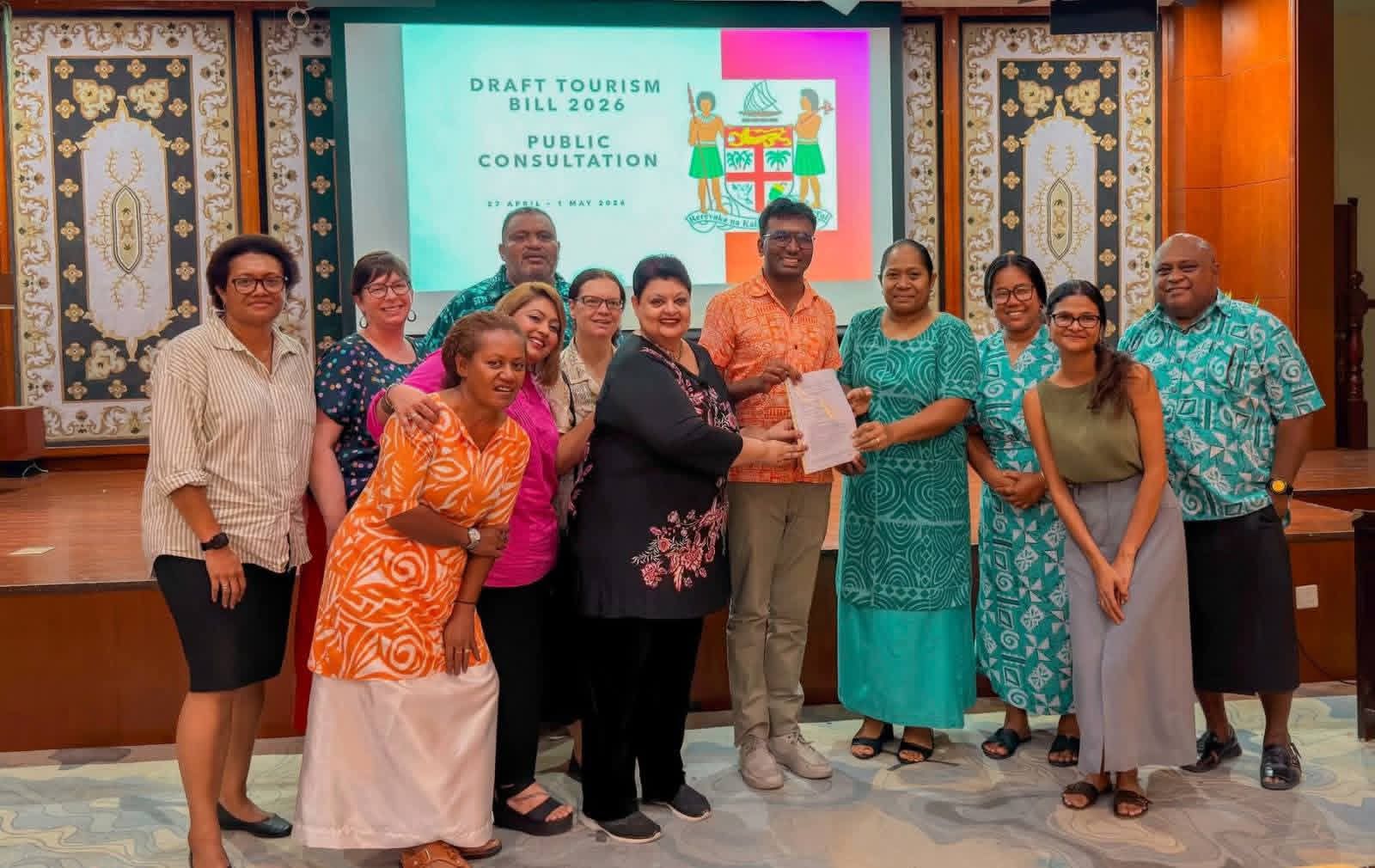
The MSME Council, together with the Women Entrepreneurs Business Council (WEBC) under the Fiji Commerce & Employers Federation, and supporting MSME networks, made submissions during the consultation process.
“Our message was simple: the law should not only regulate MSMEs — it should also help them grow”, Rakin Wahed, Chair – MSME Council.
It is encouraging to note that several of the concerns raised within the submission are reflected in the final framework, particularly stronger recognition of MSMEs in tourism policy direction and a more structured approach to inclusion and participation across the sector.
Key changes that strengthen MSME participation include
- Inclusive participation: The Act promotes equitable participation across MSMEs, community and indigenous tourism enterprises, women, youth, and persons with disabilities, and includes MSME representation on the National Tourism Council.
- Recognition pathway: A tiered and progressive system ensures that village homestays, small Airbnb hosts and community operators are not regulated in the same way as large resorts. Recognised enterprises may access marketing opportunities, capacity-building programmes, government support and other forms of recognition.
- Tourism Fiji role: Tourism Fiji is required to promote registered tourism enterprises and support product and destination development in collaboration with the Ministry.
- Tourism Fund: Provides practical support through training, guidance materials, technical assistance, capacity-building programmes, awareness campaigns and tourism infrastructure priorities.
- Progression support: The Department will support enterprises through tiers with guidance materials, training and practical tools.
- Safeguards: Strong procedural protections apply to refusals, suspensions and inspections, including written reasons, opportunities to respond, and fair notice requirements.
- Dispute resolution: Mediation provides a more practical and accessible way to resolve disputes while keeping businesses operating.
- Vanua-based tourism. The Act strengthens protections for cultural and experiential tourism, including requirements for community involvement, consent, and protection of traditional knowledge and cultural practices. And now, the real work shifts to the regulations and implementation phase.
Many of the practical details that will determine whether the Act works for MSMEs will sit in the regulations – including forms, procedures, standards, fees, penalties, transitional arrangements, MSME criteria, reporting requirements, destination management structures, and cultural heritage guidelines.
This is where the MSME and WEBC Councils believe further consultation will be essential.
The regulations must be practical and accessible for small operators. What may be manageable for a large company can be overwhelming for a homestay owner, village-based enterprise or small tourism operator without dedicated compliance support. Registration processes should be simple, compliance requirements clearly explained, and self-assessment tools easy to use.
The 12-month transition period must also be backed by awareness, outreach and training across Fiji, particularly in rural, maritime and community-based areas. Businesses need the tools and guidance to adapt before enforcement begins.
Affordability will also matter. Fees should be proportionate to the size, risk and nature of the business, with appropriate concessions for micro, rural, maritime and community operators. Likewise, the Tourism Fund should operate transparently, with clear benefits flowing back to MSMEs through training, market access, digital readiness, product development and community outreach.
The Tourism Act 2026 provides a strong foundation, but the next phase must go further. The regulations and guidelines should strengthen protections around free, prior and informed consent, benefit-sharing, fair compensation and dispute resolution, particularly where tourism involves customary land, marine resources, cultural knowledge and traditional practices.
“The MSME and WEBC Councils also support targeted assistance for women-led, youth-led, rural, maritime and informal-to-formal tourism enterprises. Many of whom are already contributing significantly to Fiji’s tourism offering but require mentoring, market access and business readiness support to grow sustainably,” Jyoti Maharaj, WEBC Council Chair
As part of our ongoing support to members, FCEF looks forward to hosting the Ministry of Tourism and Civil Aviation once the draft regulations are released, bringing together MSME Council members, WEBC members, tourism operators and community enterprises to provide practical industry feedback.
The Tourism Act 2026 is an important step forward. But its success will not be measured by the legislation alone. It will be measured by whether a small operator in Savusavu, Taveuni, Kadavu, Yasawa, Lau, Ba, Rakiraki or the interior of Viti Levu can understand it, afford it, comply with it and ultimately benefit from it.
Special thanks to Watisoni Nata, Founder of Mediation Pacific, FCEF Board Member and former Chair of the MSME Council, for his instrumental contribution to the MSME and WEBC Councils’ submission on the Tourism Bill 2026 and for his valuable input into this article.
■ FIJI COMMERCE & EMPLOYERS FEDERATION